What Clients Really Need from AV Partners (But Rarely Say)

You can have the best kit in the world, the slickest pitch deck, and a glittering showreel, but if you don’t understand what your clients really need when the pressure’s on, you’ll never be their first call again.  After more than twelve years working across the creative, brand, and production landscape, the iMAG team has been in hundreds of briefing conversations. And while every project, client, and budget brings its own personality, one thing is consistent: there’s almost always more going on beneath the surface. Here’s what they rarely say out loud, but actually really want from their AV partner.


1. “Make me look good to my client.”


Whether you’re working with a producer, a creative agency, or even an internal comms team, there's usually another layer above them. A brand director. A Head of Production. A CMO. What they want isn’t just technical brilliance (though that’s always a non-negotiable). They want you to make them look like the hero. That means calm in chaos, fast fixes, respectful collaboration, and no surprises on site. At iMAG, we get that. We operate like an extension of your team - invisible when needed, front-footed when it counts.
2. “Please don’t blind me with tech.”


We love the technical; it’s our playground. But most clients don’t need a 30-minute breakdown of pixel pitches, bit rates, and input latency. They need to understand how it serves the story. The audience. The impact. One of the most powerful things we do is translate complexity into clarity. Our job isn’t to impress with jargon. It’s to empower with confidence. Want the numbers? We’ve got them. But we’ll lead with solutions, not spec sheets.


3. “I’m nervous, but I can’t show it.”


This one is huge. Delivering a big brand launch. Shooting a commercial with a global celeb. Delivering an awards show with a tight install window. No matter how seasoned a client is, the stakes often feel very personal. And video is one of the most visible parts. When things go wrong on screen, everyone notices. We don’t take that lightly. At iMAG, we run rehearsals like they’re live. We double-check every connection. And most importantly, we maintain our kit religiously. From media servers to LED panels, everything is tested, cleaned, updated, and re-tested before it ever leaves the warehouse.
4. “Read the room before the tech.”


Some of the best decisions we’ve made on projects had nothing to do with kit and everything to do with empathy. It’s being calm when a script changes two minutes before doors open, and everyone’s holding their breath. No drama, no panic, just quiet adjustments, clear comms, and a bit of eye contact that says: we’ve got it. Or when a client’s voice is shaking before going on stage, and you offer a quiet word: “Honestly, the rehearsal looked fab. You’ve got this.”


Sometimes it’s just knowing when to step back and when to lean in. Whether that’s calming the crew energy, smoothing over a comms misfire, or doing the 10am coffee run because your client hasn’t sat down in four hours. AV is about people as much as it is about equipment. And when you walk into a room with that awareness, you’re not just a supplier, you’re a partner.


5. “Tell me the truth early.”


No one likes surprises on show day. And yet, all too often we've seen suppliers stay quiet until something becomes a problem, then scramble to fix it under pressure.

Clients don’t expect absolute perfection. We’ve all been in the industry long enough to know things can crop up. What they do expect is honesty, early and often. If there’s a delay or a risk on the horizon, they want to hear about it before it unravels in front of an audience. We believe in over-communicating where it counts. If something needs flagging, we do it early. And always with a plan in hand. That’s how trust is built. Not by pretending nothing’s wrong, but by showing we’ve already started solving it. Because confidence doesn’t come from things going perfectly. It comes from knowing that if they don’t, you’ve got a team who’ll own it and handle it.


If you’re looking for a video team that’s as emotionally intelligent as it is technically brilliant, you’re in the right place.  Contact us here about your next project.
October 7, 2026
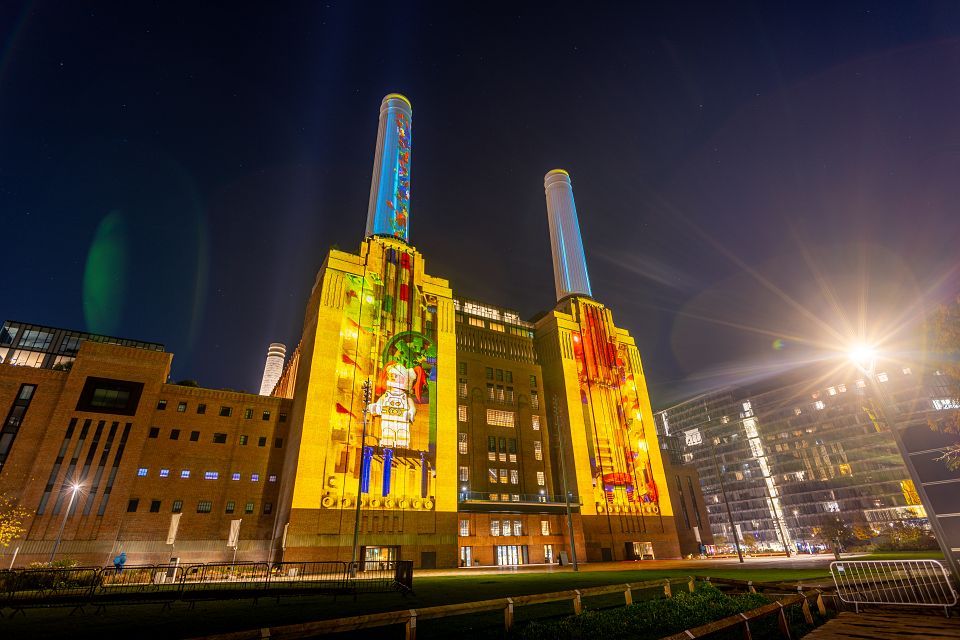
If you’re planning a projection mapping project and have approached several suppliers for costs, you may find yourself looking at quotes that vary considerably. One supplier might recommend a certain number of projectors, another might specify twice as many, and the difference in cost can be significant. On paper, however, both proposals might appear to offer exactly the same thing: projection mapping a building. So, what are you actually comparing? The reality is that not all projection mapping quotes are created equal . Two technical proposals can promise to cover the same building with the same content, yet deliver very different results when the show goes live. And when the whole reason for investing in projection mapping is to create impact, attract attention and make people stop and look, the quality of that final result really matters. Our expert Graymatter Video team approach projection mapping by working backwards from the experience we want the audience to have. Rather than asking simply whether we can put an image onto a particular surface, we look at what is required to make that image bright, clear and impactful in the real-world environment. That distinction can make all the difference. What Makes Great Projection Mapping? At its best, projection mapping has an extraordinary ability to transform a familiar space. Architecture can appear to move, disappear or change shape. A historic façade can become part of an animated story. A landmark building can be transformed into a huge canvas for a brand activation. The technology behind those experiences should almost disappear. The audience shouldn't be thinking about projector quantities, lenses, media servers or light levels. They should simply be experiencing the creative. But making something look effortless can require a significant amount of technical planning behind the scenes. For the illusion to work, the projection needs enough brightness, clarity and consistency to work with the building and compete with the surrounding environment. If the image is too faint or lacks contrast, even exceptional content can lose its impact. That is why a good projection mapping system starts with understanding the location and the creative ambition, rather than simply selecting a projector. Why Brightness Matters in Projection Mapping One of the most important considerations in any projection mapping project is brightness. At Graymatter Video, one of the key measurements we use when designing a projection system is brightness, which we measure in lux. Put simply, lux helps us understand how much light is actually reaching the surface we are projecting onto. This is important because projector specifications alone don't tell the whole story. A projector may have an impressive lumen output, but the audience isn't standing inside the projector reading its specification sheet. They're looking at a building, sometimes from hundreds of metres away, surrounded by other sources of light. The characteristics of that building can have a huge effect on the finished image. A relatively smooth, light-coloured surface will behave very differently from dark brick, stone or highly textured architecture. The size of the façade, distance between the projectors and building, projection angle and available projector positions all influence the eventual result. Then there is the surrounding environment. Streetlights, architectural lighting, illuminated signage and neighbouring buildings can all compete with the projected image. Even the time of year and the location itself can influence how a system needs to be designed.All of these factors help determine how much projection power is actually required. 
By Frederick King • October 1, 2026
iMAG welcomes Malcolm Hall as Technical Asset Manager, bringing 30 years of AV and video experience to its growing technical team in Poole.
C&IT Awards 2026 logo
August 4, 2026
We're thrilled to be shortlisted for the C&IT Awards 2026 in the Best Event Support Services Provider category, recognising excellence in live event delivery.
June 29, 2026
As iMAG continues to grow, we're investing in the people who will help us deliver even more for our clients. We're delighted to welcome David Barton to the team as our new Operations Manager. David brings almost two decades of experience from Encore, where he most recently served as Head of Video , UK. Throughout his career, he has built a reputation for technical expertise, operational excellence and leading high-performing teams, making him a perfect fit for the next chapter of iMAG's journey. At iMAG, we've built our reputation on delivering outstanding technical solutions for live events, brand activations, projection mapping, virtual production and immersive experiences. As demand for our services continues to grow, we're focused on strengthening the operational foundations that allow us to scale while maintaining the responsive, personal service our clients value. David will oversee operations across both iMAG and our specialist video control division, Graymatter Video, helping to refine the systems, logistics and processes that support every project from planning through to delivery. Managing Director Alex Strachan explains: "David has experienced every stage of our industry, from warehouse floors and on-site delivery through to leading a major video team. As we grow, we're investing in the people and processes that let us scale without losing what makes us different. David understood that immediately, and we're excited about the impact he will have." For David, joining iMAG was about more than the projects. "What attracted me to iMAG wasn't just the work, it was the people. I've known the team for many years as a client, and what stands out is their relentless focus on the client and their commitment to exceptional delivery on every project, however demanding. I'm looking forward to strengthening the operational foundations that allow the team to keep delivering at that level while protecting what makes iMAG special." David's appointment marks another important step in iMAG's continued growth. By investing in experienced leadership and robust operational processes, we're ensuring we can continue delivering innovative video solutions while maintaining the flexibility, creativity and attention to detail that our clients expect. We're excited to have David on board and look forward to what we'll achieve together.
By Frederick King • June 23, 2026
Nobody claps for video control, and that's the point. Graymatter Video on the engineering and redundancy that turn ambition into total confidence.
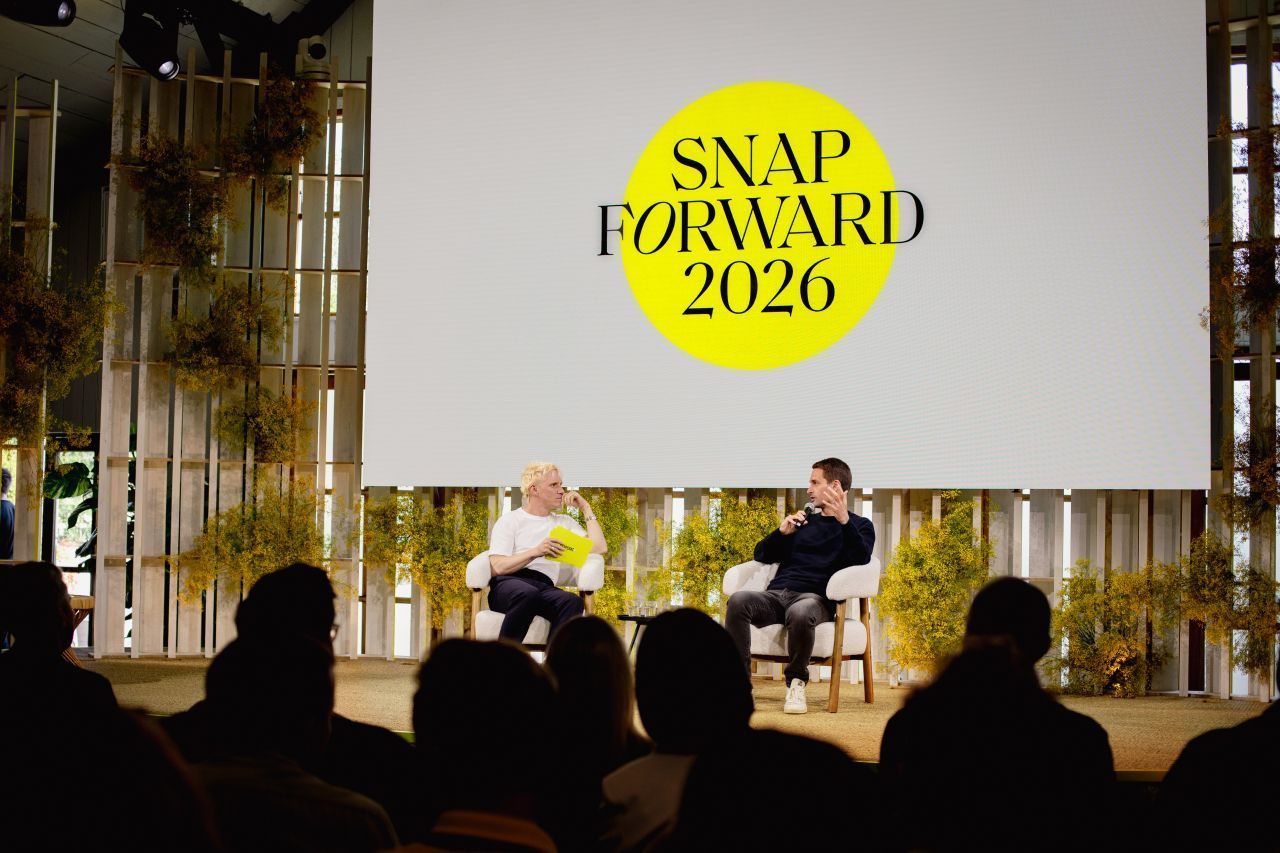
Main stage LED wall at Snap Forward 2026, Soho Farmhouse, displaying the Snap Forward 2026 logo duri
June 8, 2026
iMAG delivered a complete video package for Snap Inc.'s Snap Forward 2026 at Soho Farmhouse, including an ROE Visual Topaz LED wall, Brompton processing and a full PTZ camera package.
Close-up of a black MAG sign with white logo and website text in a dark setting
May 14, 2026
Charli Harding, Client & Brand Director at iMAG, reflects on two decades in live events and production, what it really takes to lead as a woman, and why the industry's future looks brighter than ever.
PUMA’s immersive NITRO™ Lab activation during London Marathon 2026
May 12, 2026
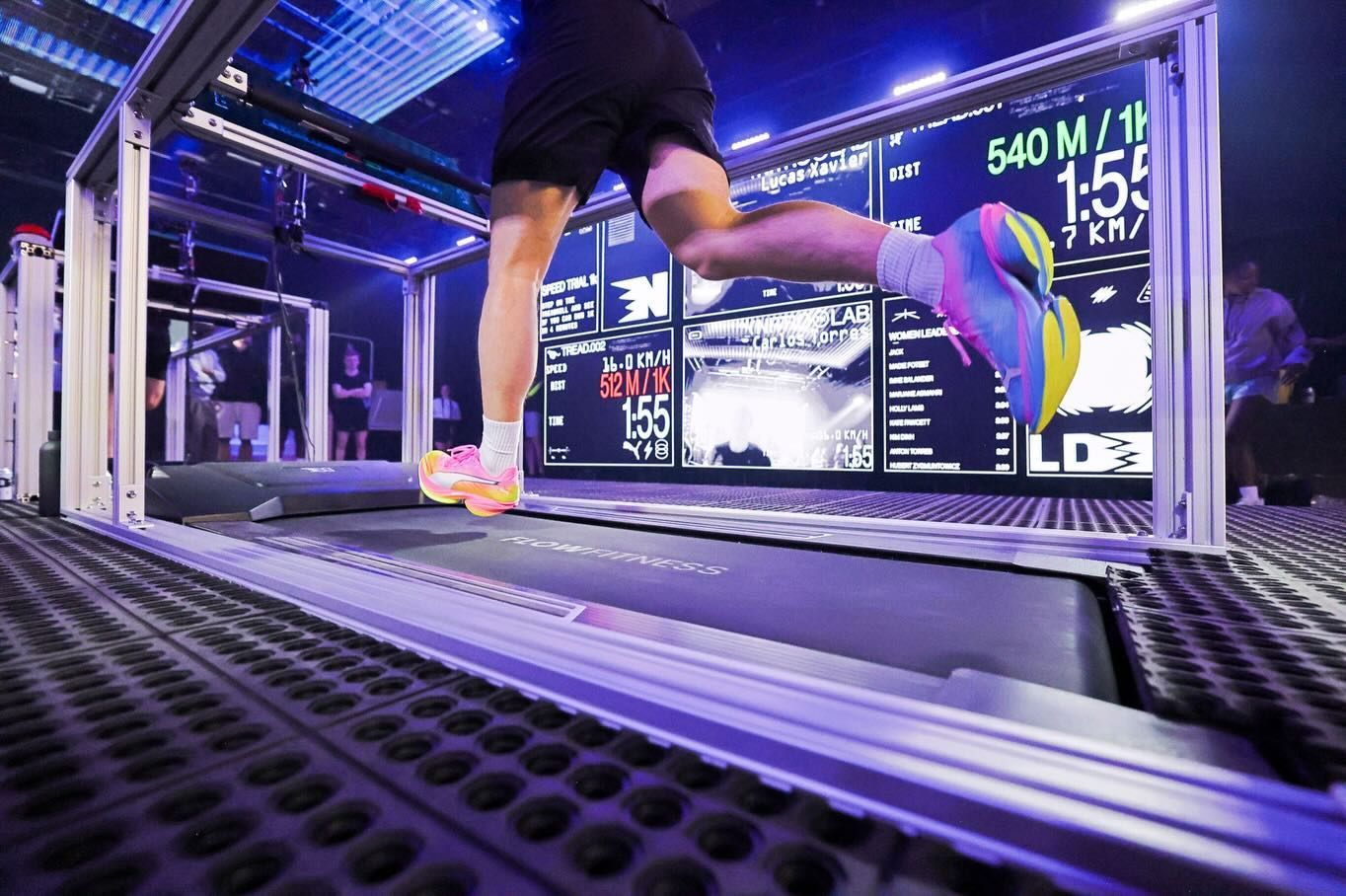
Discover how iMAG supported OBO and PUMA’s immersive NITRO™ Lab activation during London Marathon Weekend with premium LED displays, interactive technology and live video solutions.
March 19, 2026
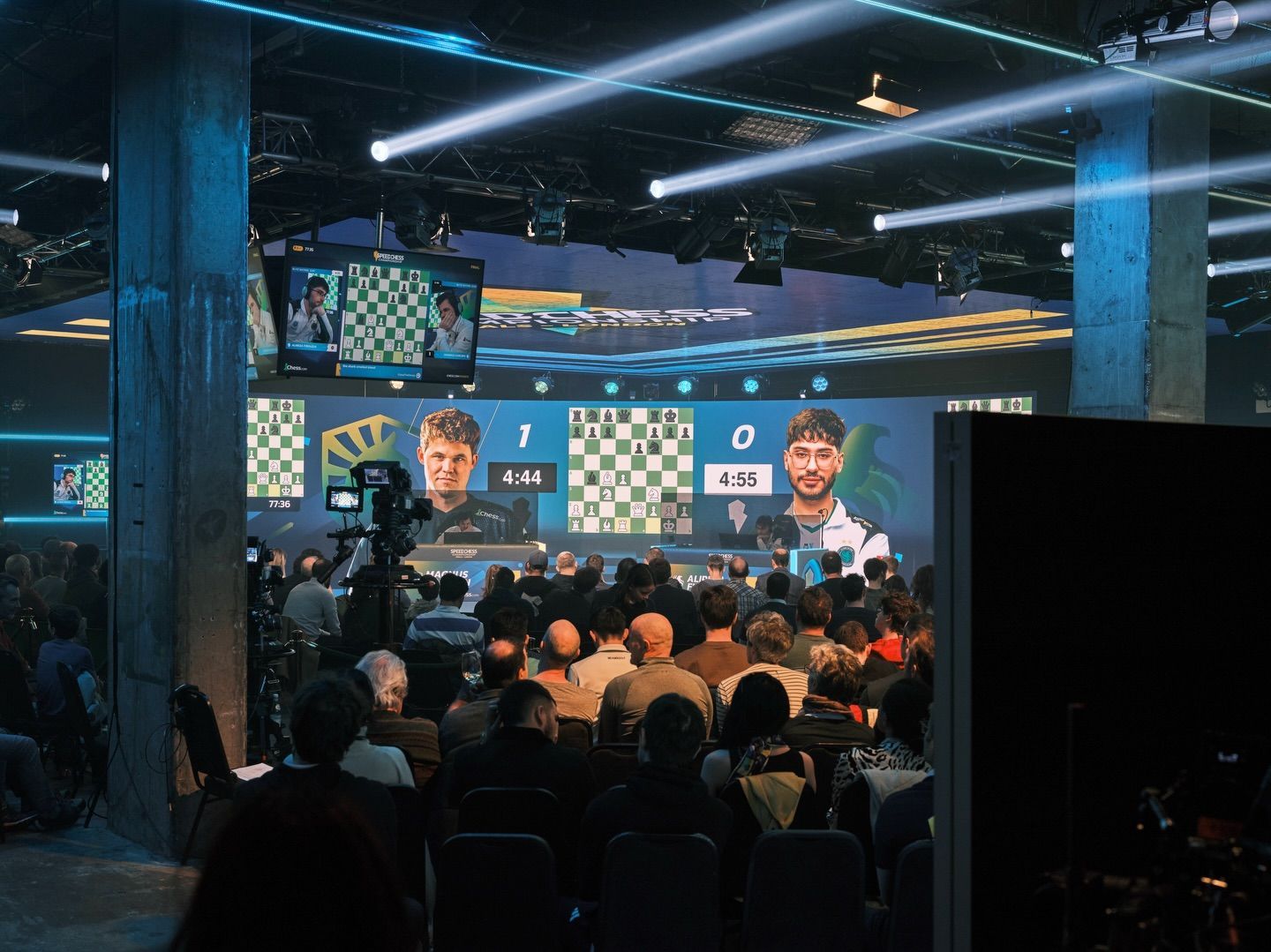
iMAG delivered a complete integrated video solution for the Speed Chess Championship Finals at 180 Studios, creating a broadcast-ready esports environment for Chess.com.
anamorphic LED walls for automative trade stand
February 20, 2026
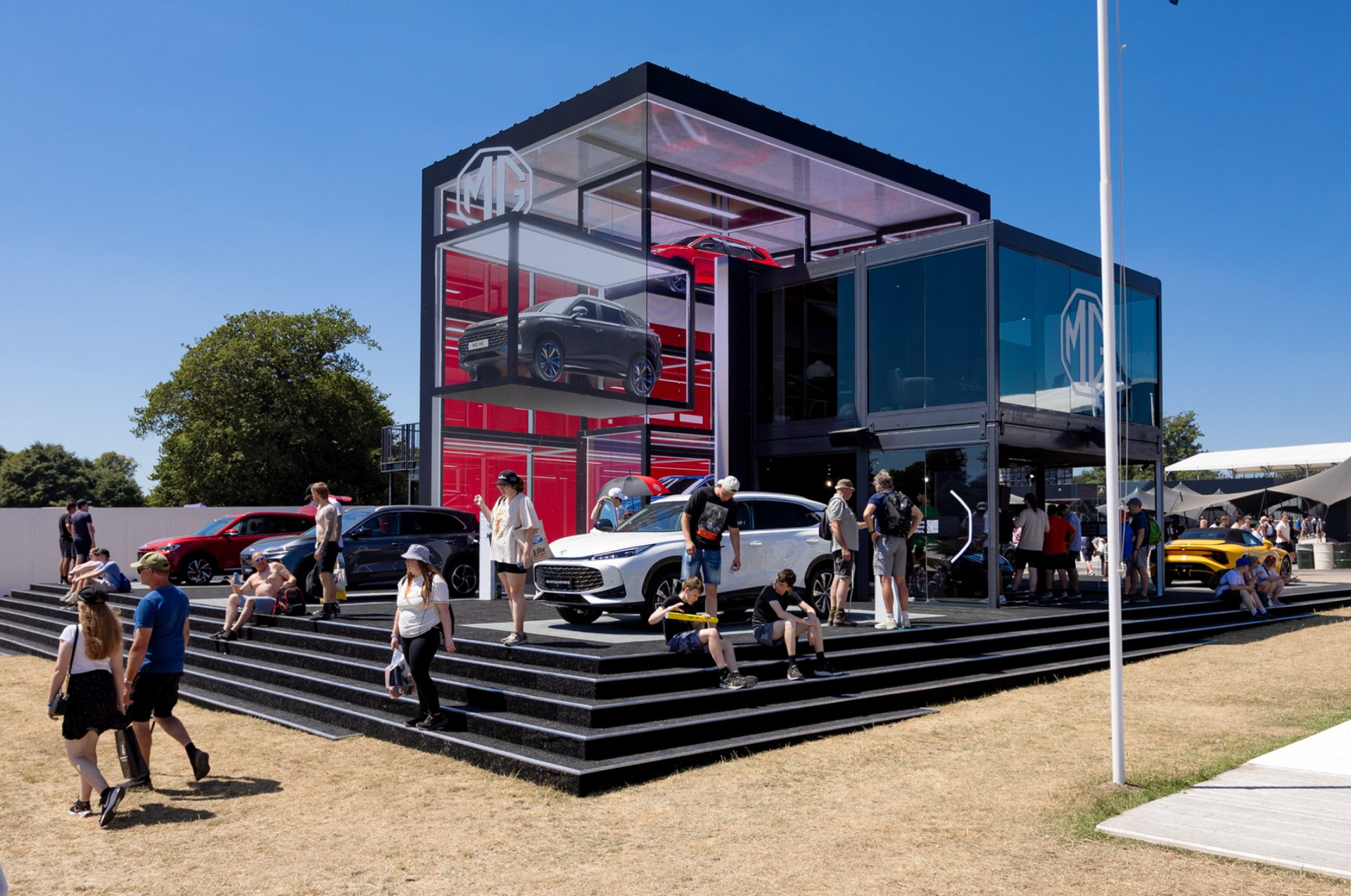
Explore how anamorphic LED walls create immersive, camera-ready brand experiences for agencies and production managers. Discover how iMAG delivers precision-led LED solutions that amplify impact beyond the event space.