
Nobody Claps for Video Control. That's the Point.
Every great event has a moment people remember. The LED wall that transforms you into another world. The building that dissolves into projection and becomes a story. The immersive environment where the line between physical and digital disappears. These are the images that fill the highlight reels and the LinkedIn carousels, and they deserve every bit of recognition they get. More often than not, they are extraordinary feats of imagination and execution, the product of creative and technical teams pushing against what was thought possible.
Behind each of them sits a discipline that almost never makes the recap reel. Video control.
A Victim of Its Own Success
In many ways, video control suffers from being very good at its job. Nobody leaves a keynote talking about the signal distribution. Nobody photographs the redundancy architecture, or posts admiringly about the elegance of a media server workflow. The synchronisation systems, the show control programming, the long, unglamorous hours of contingency planning: none of it gets noticed, because when it is working there is, by definition, nothing to notice. Video control tends to enter the conversation at the precise moment something has gone wrong, which is to say the worst possible moment to be discussing it.
That paradox is worth sitting with. Video control is often one of the most critical systems in a production and, at the same time, one of the least visible. The screen that stays live through a keynote, the cue that lands exactly on the beat, the live feed that holds during a broadcast, the projection sequence that never drifts, the multi-site activation that keeps every location in perfect step: all of it is experienced as an absence. An absence of failure. And an absence is a difficult thing to celebrate, which is rather the point.
The Work the Audience Never Sees
At Graymatter Video, we have made a kind of peace with that. We do not measure success by how many people notice the work. We measure it by how many people never have to think about it for a single second. Every seamless visual experience rests on an enormous amount of engineering, planning and problem-solving that the audience will, by design, never see.
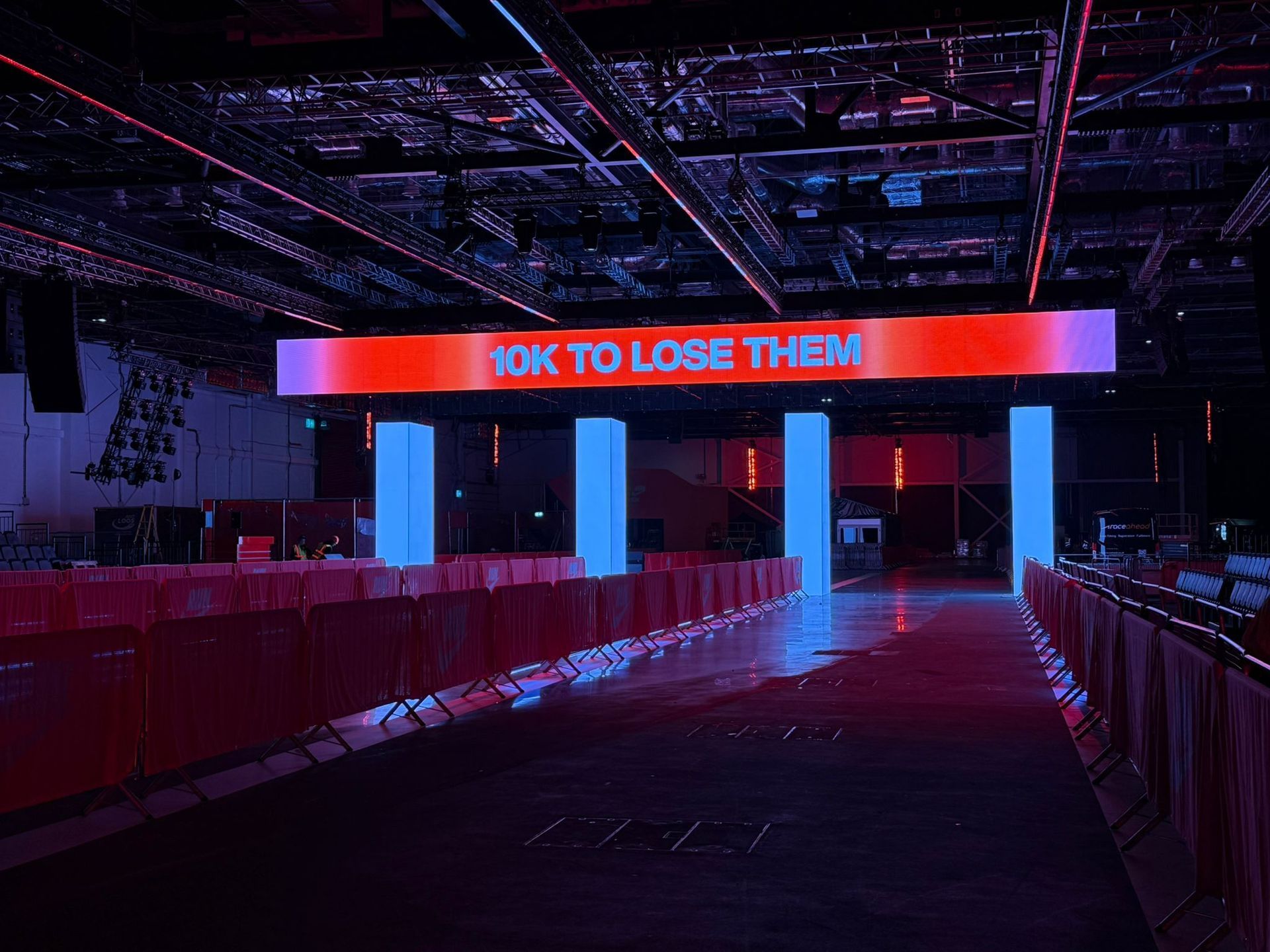
That work begins long before the first cable is plugged in. It means understanding the signal paths in full, building redundancy into every critical workflow, and finding the points where a system might fail before they have any chance to become the points where it does. It means stress-testing everything while the venue is still empty and the stakes are still theoretical. It means designing for the certainty that, on a live show, the circumstances around you will change. Resilience is not something added at the end, once the clever bits are done. It is the thing the whole system is built around.
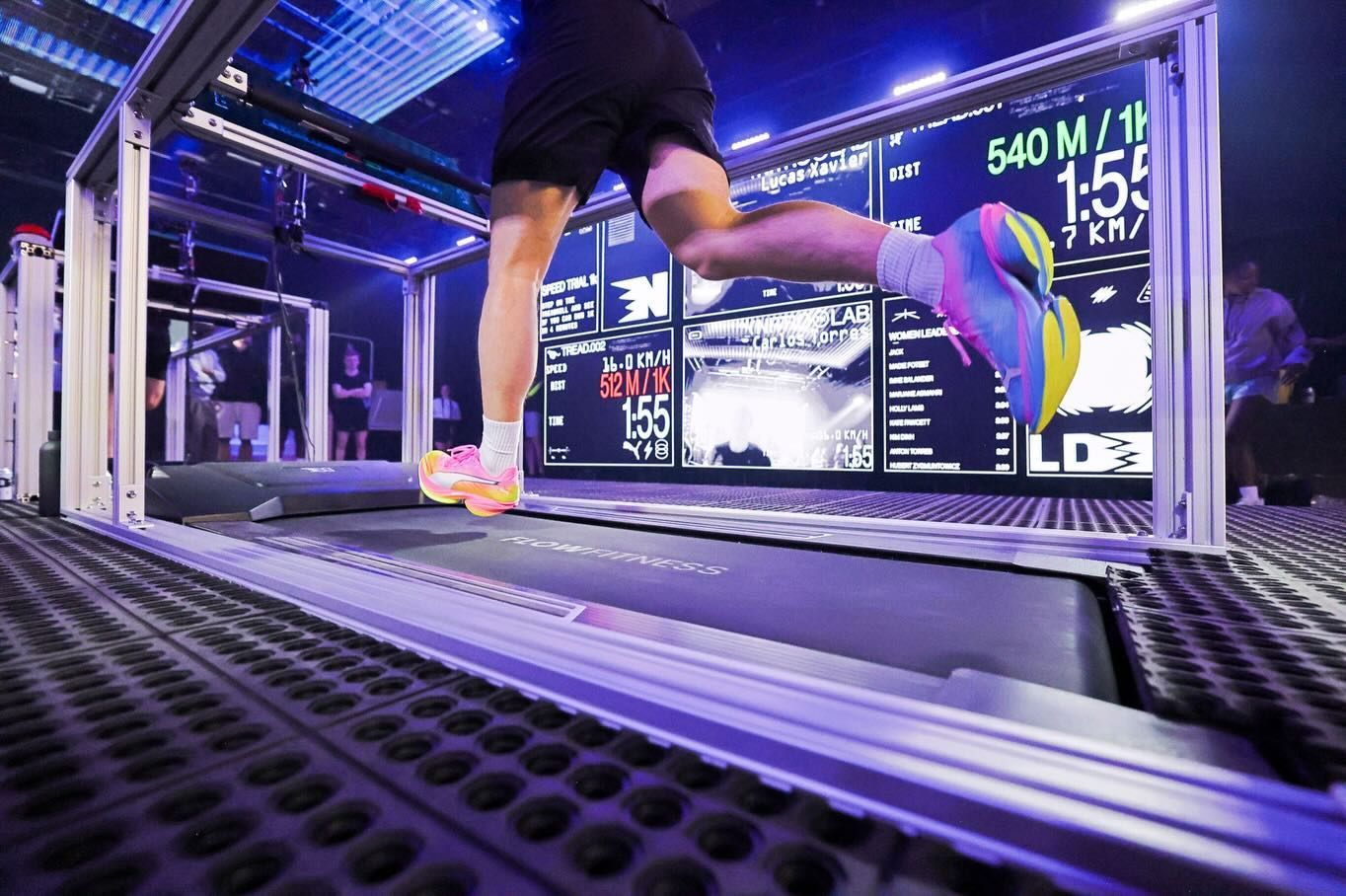
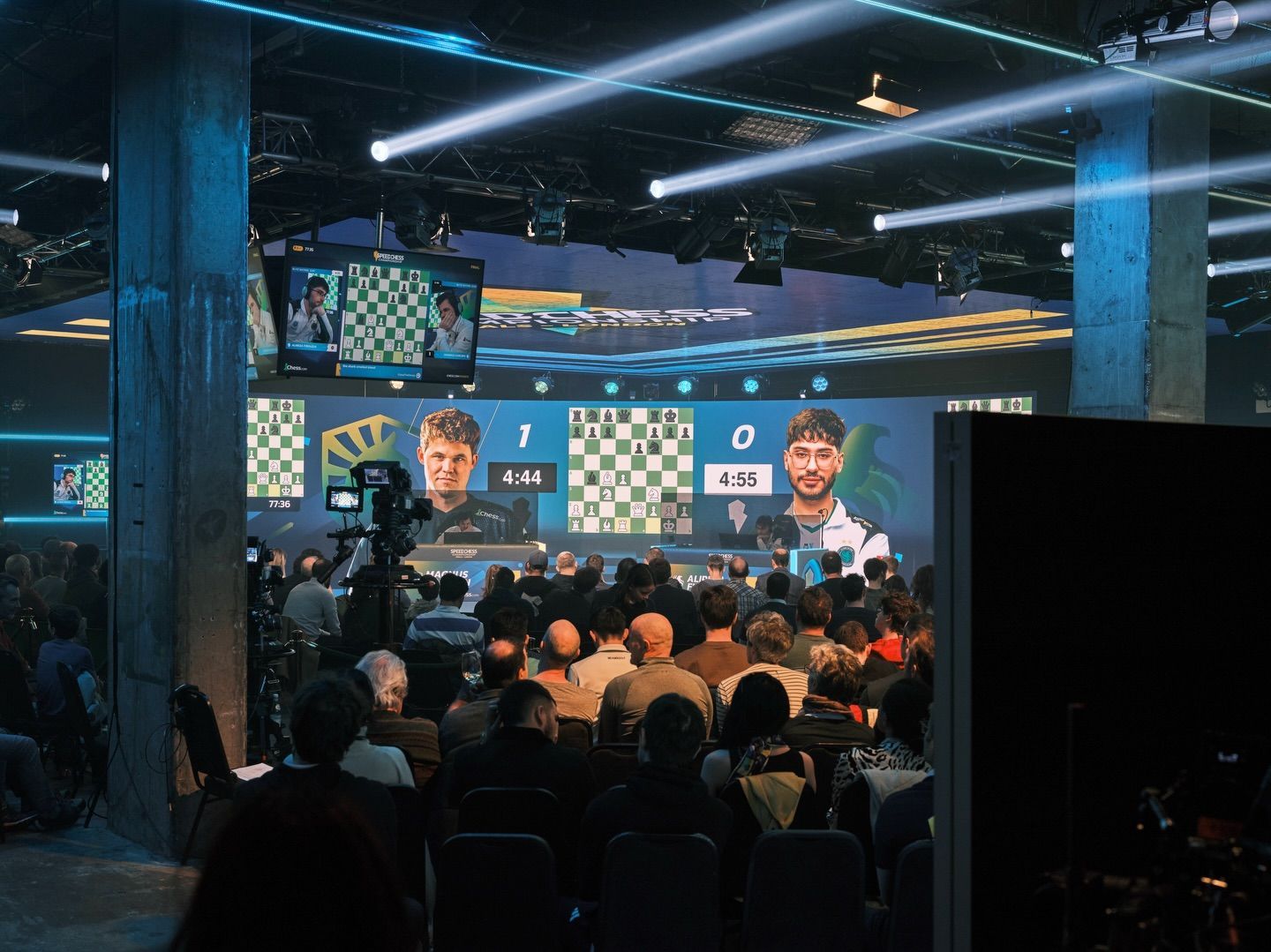
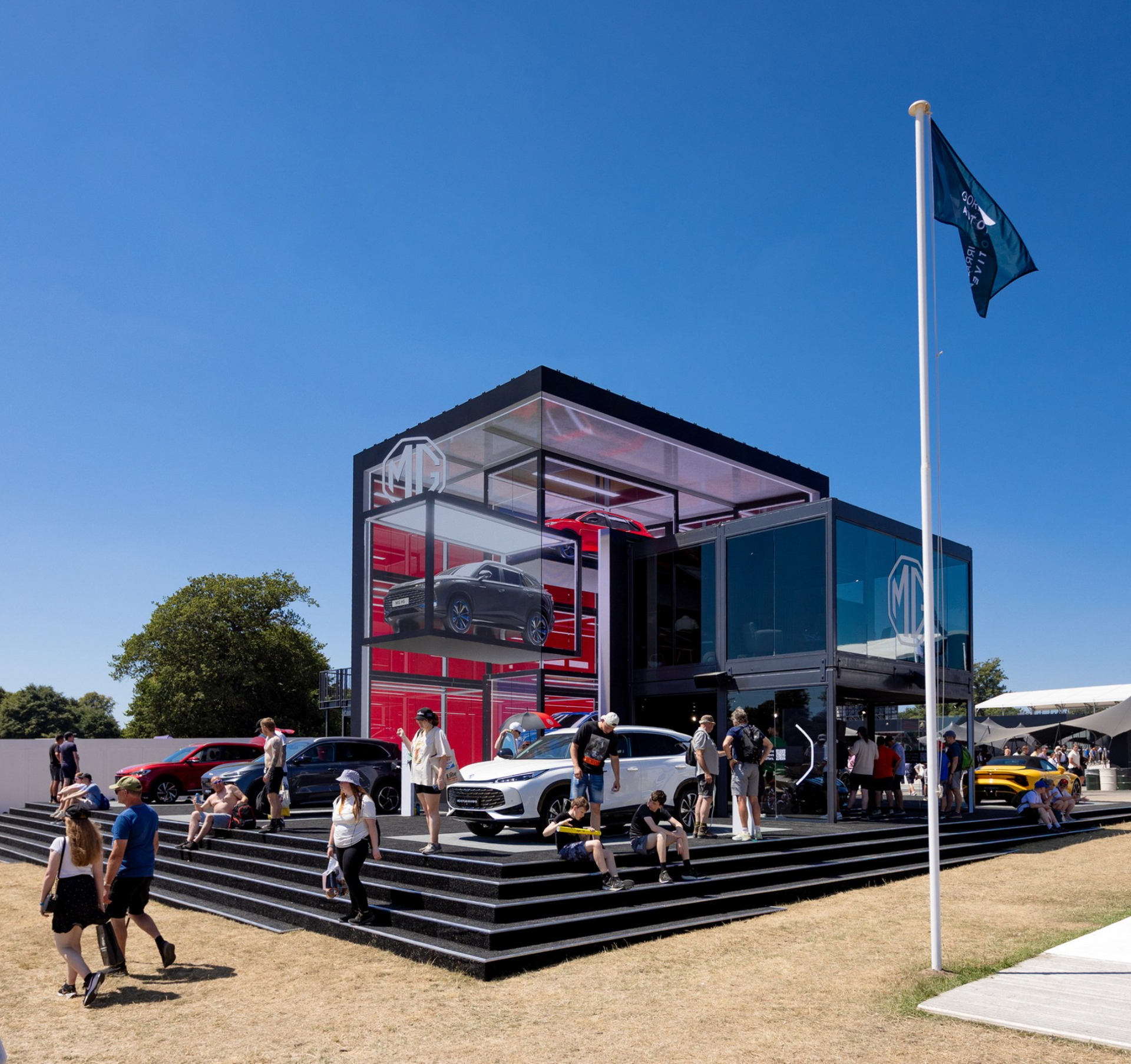
The productions we work on are growing more complex by the season. A single show might bring together multiple LED systems, projection surfaces, live camera feeds, real-time graphics, media servers, broadcast outputs and remote locations, all running at once and all quietly depending on one another. The technical ambition keeps climbing. The expectation, meanwhile, stays beautifully, almost unfairly, simple. It needs to work. Every time.
What Clients Are Really Buying
When a client commissions video control, the equipment in the racks is the least of what they are paying for. What they are buying is confidence. Confidence that the product launch will run exactly as rehearsed. Confidence that a global brand activation will hold its synchronisation across every market simultaneously. Confidence that the live broadcast will not falter at the one moment that genuinely matters. Confidence that when the creative team reaches for something properly ambitious, the infrastructure beneath it can carry the weight without flinching.
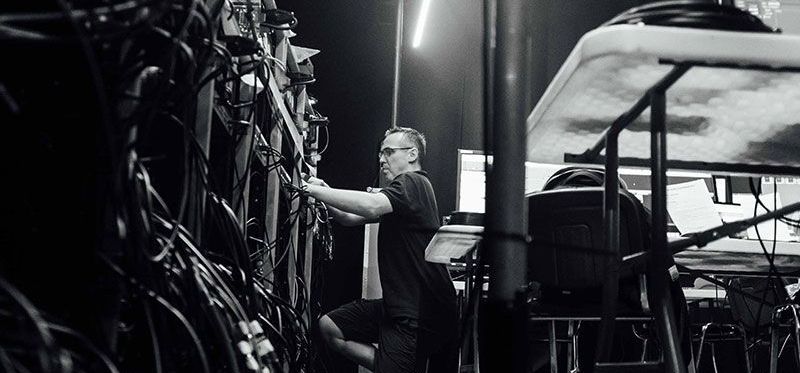
That is where real video control expertise lives, and it is not in the kit. Anyone can hire a media server. Anyone can hire processors and assemble a rack full of impressive technology. The difference is in knowing how all of those parts behave under pressure, how they interact when conditions are working against them, and how to build something that stays standing precisely when the stakes are highest. The hardware is available to everyone. The judgement is not.
The Goal is to Disappear
So no, nobody is going to walk out of an event praising the video control, and we stopped expecting them to long ago. What they remember instead is everything working exactly as it should. The content plays. The screens stay live. The cues land. The story reaches the audience in the form it was always meant to take, and the technology behind it slips quietly out of view.
For us, that vanishing act is the entire point. The goal was never to be seen. It was to build the kind of confidence that lets everyone else shine, and to make sure that when the work is done properly, the audience is left with nothing to think about except the result.
That is what Graymatter Video is for. The part of the show you were never supposed to notice.
Let's talk about your next show. Behind every seamless show is a team that has done it under pressure, on the night, when there was no second take. That is the part of the job we love, and the part we would happily take off your plate. So if you have an event on the horizon, whatever the scale or the complexity, we would like to hear about it. Send us the brief, talk us through the idea, or simply tell us what is keeping you up at night about the video. We will take it from there.