
Why Not All Projection Mapping Quotes Are Created Equal
If you’re planning a projection mapping project and have approached several suppliers for costs, you may find yourself looking at quotes that vary considerably. One supplier might recommend a certain number of projectors, another might specify twice as many, and the difference in cost can be significant. On paper, however, both proposals might appear to offer exactly the same thing: projection mapping a building.
So, what are you actually comparing?
The reality is that not all projection mapping quotes are created equal. Two technical proposals can promise to cover the same building with the same content, yet deliver very different results when the show goes live. And when the whole reason for investing in projection mapping is to create impact, attract attention and make people stop and look, the quality of that final result really matters.
Our expert Graymatter Video team approach projection mapping by working backwards from the experience we want the audience to have. Rather than asking simply whether we can put an image onto a particular surface, we look at what is required to make that image bright, clear and impactful in the real-world environment. That distinction can make all the difference.
What Makes Great Projection Mapping?
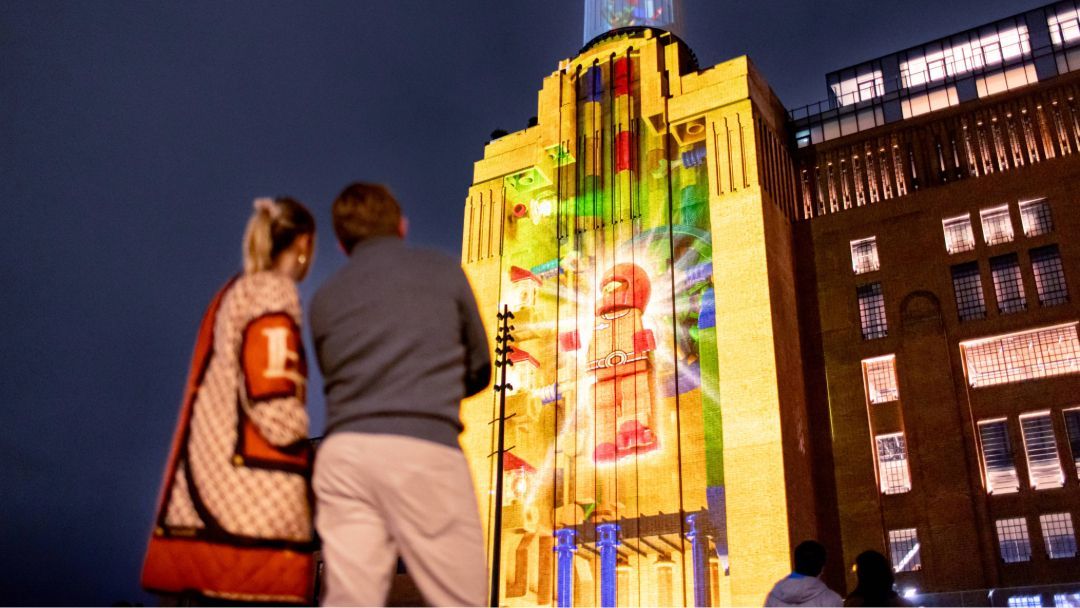
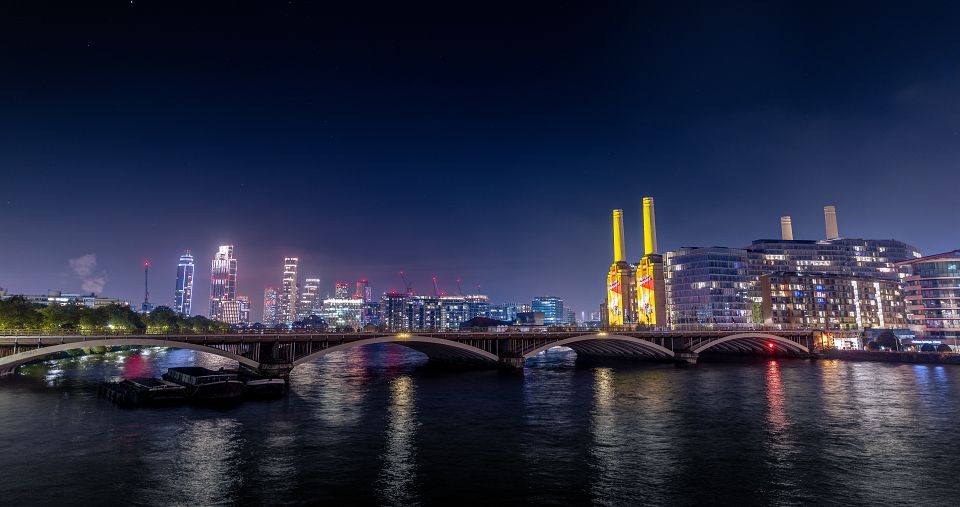
At its best, projection mapping has an extraordinary ability to transform a familiar space. Architecture can appear to move, disappear or change shape. A historic façade can become part of an animated story. A landmark building can be transformed into a huge canvas for a brand activation. The technology behind those experiences should almost disappear. The audience shouldn't be thinking about projector quantities, lenses, media servers or light levels. They should simply be experiencing the creative.
But making something look effortless can require a significant amount of technical planning behind the scenes. For the illusion to work, the projection needs enough brightness, clarity and consistency to work with the building and compete with the surrounding environment. If the image is too faint or lacks contrast, even exceptional content can lose its impact. That is why a good projection mapping system starts with understanding the location and the creative ambition, rather than simply selecting a projector.
Why Brightness Matters in Projection Mapping
One of the most important considerations in any projection mapping project is brightness. At Graymatter Video, one of the key measurements we use when designing a projection system is brightness, which we measure in lux. Put simply, lux helps us understand how much light is actually reaching the surface we are projecting onto. This is important because projector specifications alone don't tell the whole story. A projector may have an impressive lumen output, but the audience isn't standing inside the projector reading its specification sheet. They're looking at a building, sometimes from hundreds of metres away, surrounded by other sources of light.
The characteristics of that building can have a huge effect on the finished image. A relatively smooth, light-coloured surface will behave very differently from dark brick, stone or highly textured architecture. The size of the façade, distance between the projectors and building, projection angle and available projector positions all influence the eventual result. Then there is the surrounding environment. Streetlights, architectural lighting, illuminated signage and neighbouring buildings can all compete with the projected image. Even the time of year and the location itself can influence how a system needs to be designed.All of these factors help determine how much projection power is actually required.
Why Do Projection Mapping Quotes Vary So Much?
Projection mapping quotes can vary considerably between suppliers. A lower-cost proposal may use fewer projectors or lower-output equipment. Another supplier may have designed their system around achieving a particular brightness level across the projection surface and therefore specified a larger projection package. Both quotes may contain the words "projection mapping", but that does not necessarily mean they are proposing an equivalent visual result.
For us, the question is never simply, "Can we project onto the building?" The more useful question is, "What is required to make this look incredible?" Sometimes the answer means using more projectors. Sometimes it means choosing higher-output projectors or different lenses. On another project, the answer might involve changing projector positions, adapting the creative or finding a smarter technical approach that achieves the required result more efficiently. It isn't about specifying the largest or most expensive system possible. It is about specifying the right system for the building, environment, content and audience.
Giving Great Creative the Technical Delivery It Deserves
For many projection mapping projects, the projection itself is just one part of a much larger investment. A brand or agency may have commissioned bespoke animation and spent months developing a creative concept. There may be an iconic venue involved, alongside event production, permissions, fabrication, logistics, marketing, PR and content capture. By the time the audience sees the finished activation, a huge amount of creative and commercial investment may already have gone into making that moment happen. The technical delivery is what allows all of that work to be seen as intended.
Under-powering the projection risks undermining everything you've invested in. It's a bit like commissioning a feature film and then screening it on a laptop with the brightness turned down. The content itself might be brilliant, but you're not experiencing it in the way its creators intended. We would much rather have an open conversation at the beginning of a project about what it will genuinely take to achieve the desired result. That might not always produce the cheapest quote, but it gives the creative the technical platform it deserves.
What Should You Look for When Comparing Projection Mapping Quotes?
If you're comparing proposals from different projection mapping companies, we'd recommend looking beyond the final price. Ask what the proposed system has been designed to achieve. Has the supplier considered the building material and colour? Has ambient and competing light been assessed? Have throw distances and projection angles been calculated? Is there a target brightness level? How will multiple images be blended together? What happens if a critical part of the system fails during the show?
You don't necessarily need to understand every technical detail in the answer. A good projection partner should be able to explain the thinking clearly without burying you in jargon. The goal is to design the right projection system for the creative, the building and the audience.
Planning a Projection Mapping Project?
Graymatter Video specialises in projection mapping, architectural projection and complex video systems for brand activations, live events and immersive experiences. From initial conversations and site assessment through to system design, 3D previsualisation, projector specification, media servers, mapping, blending, calibration and live operation, our specialists can support the complete technical delivery of a project.
So, if you have a building, venue or space you want to transform, bring Graymatter Video into the conversation early. We'll help you understand what the creative really needs and design a technical solution that gives it the impact it deserves.